Garden room or shed: what's the difference?
21 October 2026 · 3-minute readFrom outside they can look alike: four walls, a roof and a door at the end of the garden. But a shed is designed for storing things and a garden room for spending time in. The difference doesn't show in a photo, and it decides whether you'll use it all year round.
A shed stores things; a garden room is lived in
A garden shed is for storing tools, bikes, the lawnmower or the patio furniture over winter. What matters is that it keeps the rain out and locks.
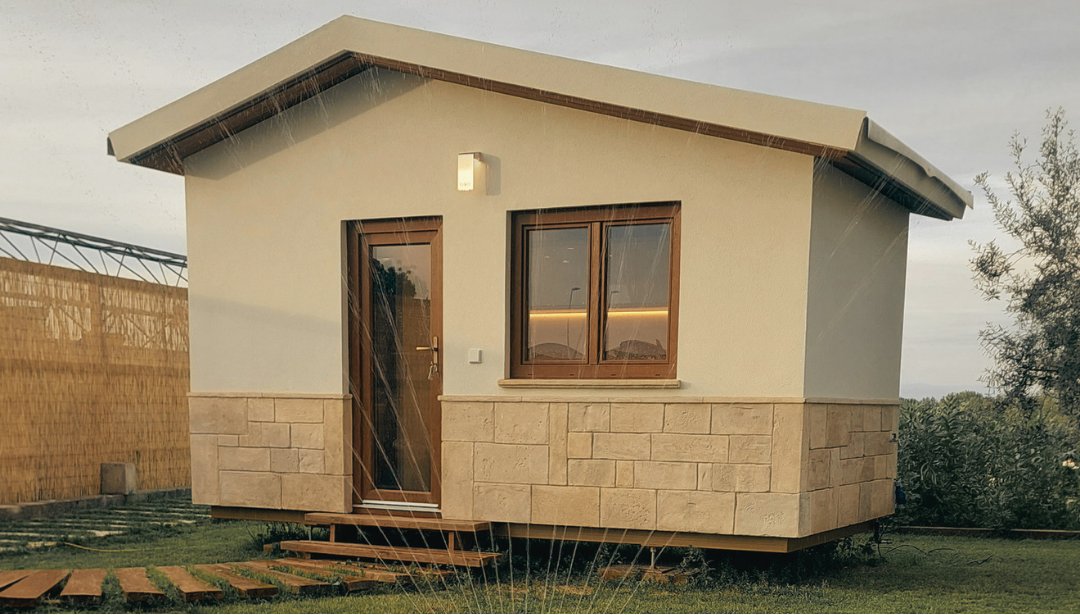
A garden room is something else: a space to spend hours in. Some call it a garden studio, a summer house or a guest house; we call ours a garden pavilion. It can be an office, a workshop, a reading nook or a room for when friends come to stay. And for that it needs what a shed doesn't have.
The differences you can't see in a photo
- Insulation. Most sheds have none: an oven in summer and a fridge in winter. A garden room needs continuous insulation in the walls, floor and roof.
- Windows and doors. On a shed it's enough that they shut. On a garden room they have to let the light in and keep the weather out: double glazing and good seals.
- Electricity and water. A shed has a socket at most. A garden room needs a consumer unit, several circuits and, if it has a bathroom or kitchen, water and drainage.
- Frame. Shed walls are usually thin boards or metal sheet. A garden room needs a frame that will take years of daily use, the weight of the furniture and, if it's ever moved, the journey.
- Interior finish. Inside a shed you see the bare timber or metal. Inside a garden room you're in a finished room: floor, walls and ceiling.
Which do you need? Three questions
- Will you spend hours inside? If you'll only pop in to fetch things, a shed is enough. If you'll work, read or have guests there, you need a garden room.
- Will you use it all year round? Without insulation, a small space is only pleasant for a few weeks in spring and autumn.
- Do you need water, or somewhere to sleep? A bathroom, a kitchen or a bed need services and good ventilation planned from the start, not added later.
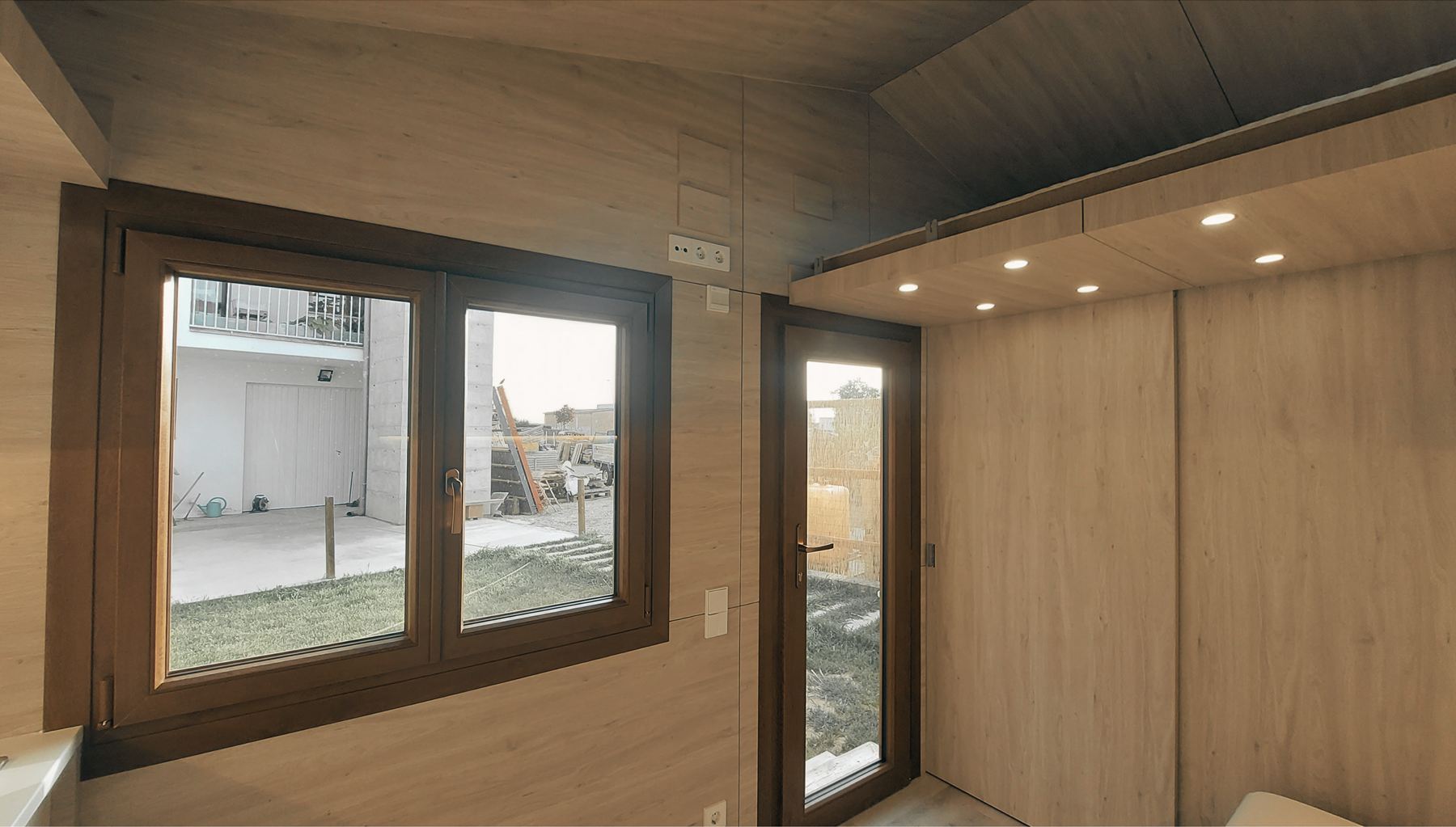
An example: Creixent
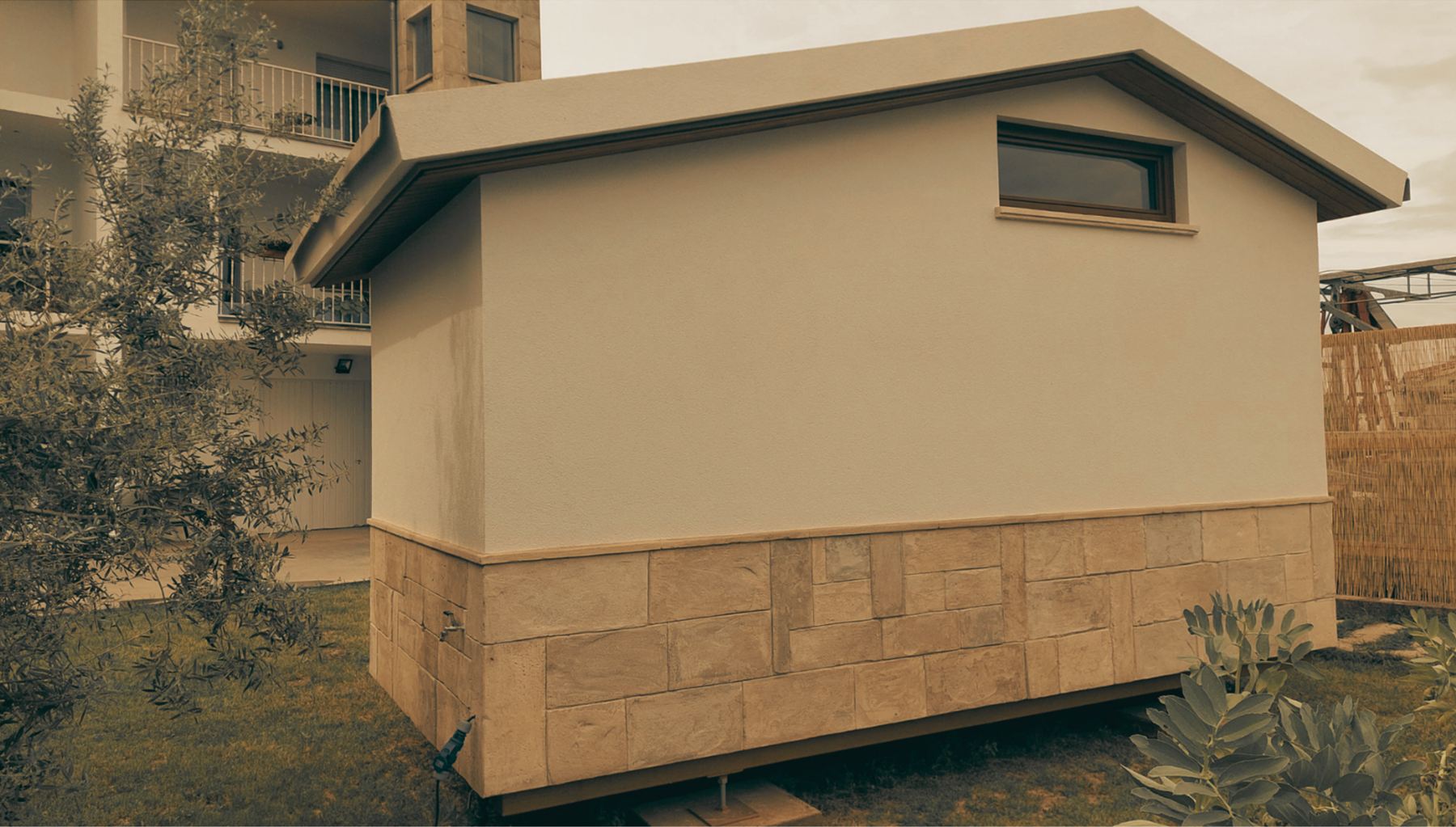
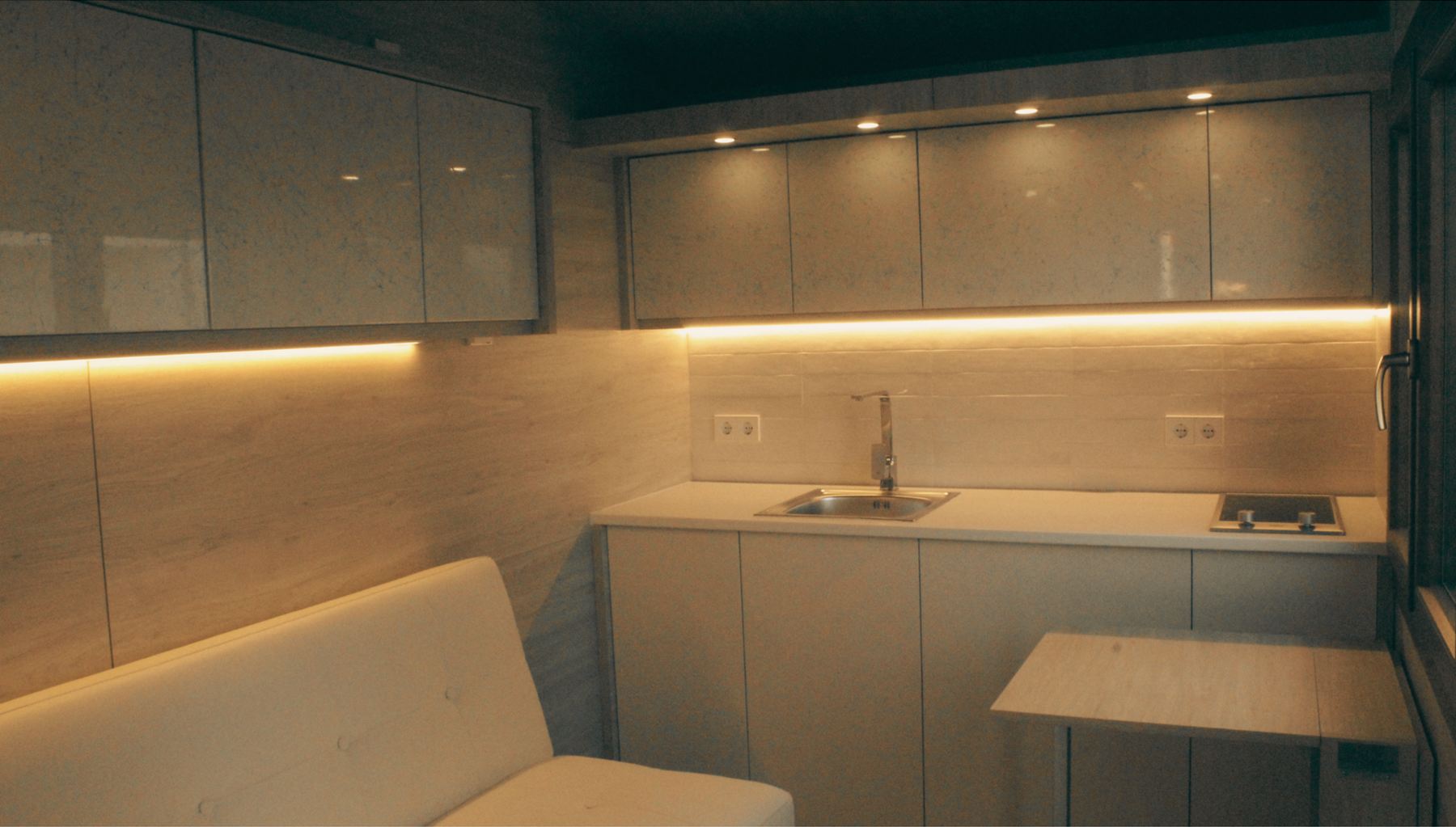
Creixent is the garden pavilion we built by hand in Juneda, Catalonia. It has a double-height ceiling, with a living room, kitchen, bathroom and sleeping loft. It has a welded steel-tube frame, continuous 12 cm insulation, double-glazed PVC windows and three separate electrical circuits, plus a water inlet, a water heater and drainage ready to connect.
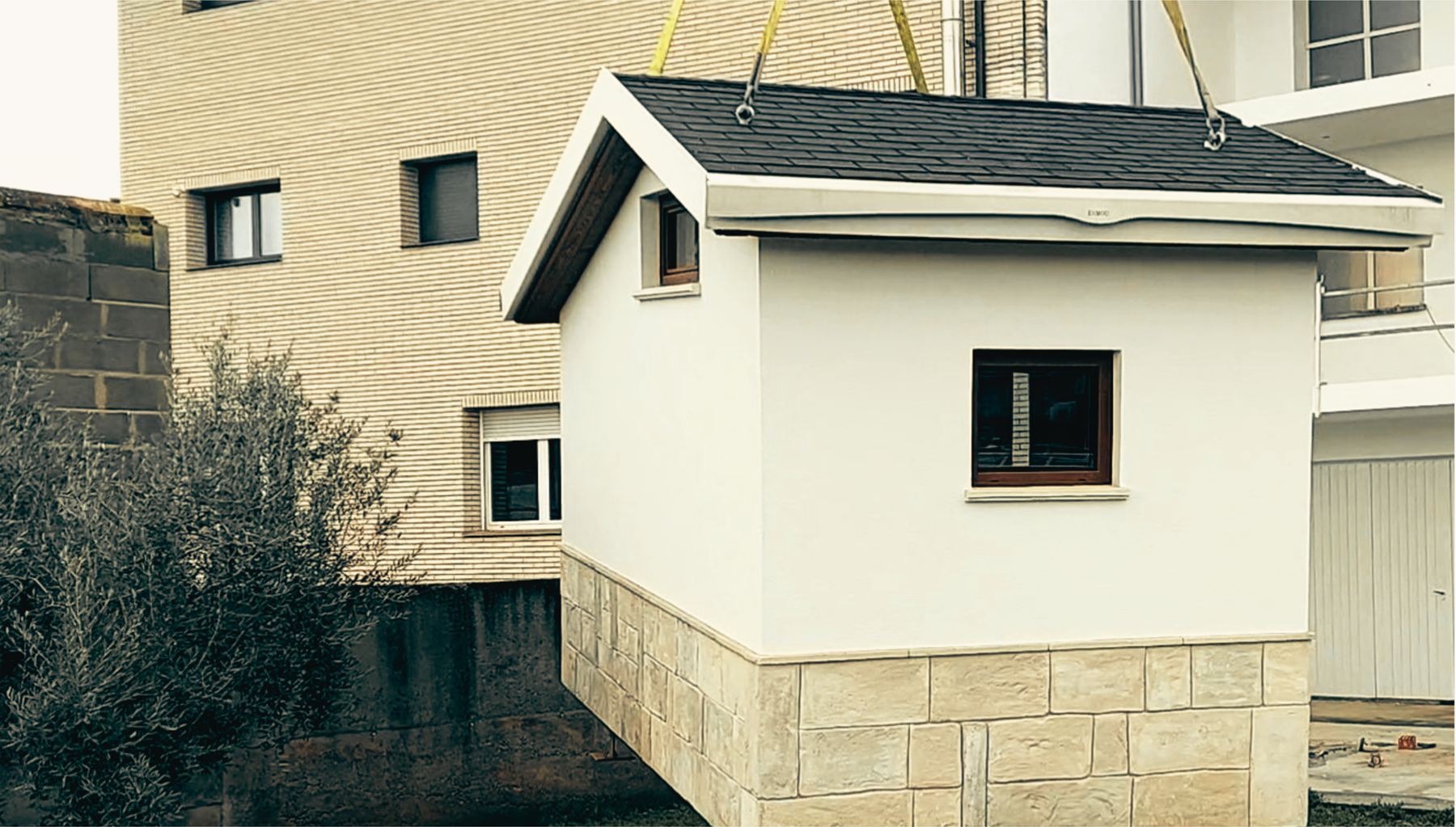
And it has something almost no shed has: it needs no foundations. It stands on four supports that level it and arrives in one piece by crane truck, so if you ever want to move it, your garden is left just as it was.

What doesn't change: neither is a home
Neither a shed nor a garden room is a dwelling. In Spain, before placing either, ask your town hall what they require and, if possible, get the answer in writing.
If you'd like to see inside a garden pavilion, the Creixent page has all the photos and the technical sheet, or you can book a visit in Juneda.